
Mohs Micrographic Surgery
The Most Precise, Tissue‑Sparing Technique for Treating Skin Cancer
What Is Mohs Surgery?
Mohs surgery, also known as Mohs micrographic surgery, is a highly specialized surgical procedure used to treat skin cancer. It is predominantly used to treat the two most common types of skin cancer, basal cell carcinoma and squamous cell carcinoma. Mohs surgery offers the highest cure rates and the greatest preservation of healthy tissue. Unlike standard excisions, Mohs is a meticulous, layer‑by‑layer technique in which cancerous tissue is removed and examined under the microscope in real time. This allows the surgeon to trace and eliminate even the most subtle extensions of the tumor while sparing as much normal skin as possible.
Because Mohs surgery provides complete margin control and minimizes cosmetic and functional impact, it is especially valuable for cancers on delicate or highly visible areas such as the face, nose, eyelids, lips, ears, scalp, hands, feet, and genital region. It is considered one of the most sophisticated procedures in dermatologic surgery, requiring advanced training, precision, and a deep understanding of both oncologic and reconstructive principles.
How Does Mohs Surgery Work?
Anesthesia: In our outpatient office, Dr. Nabatian will numb the area containing the tumor, injecting it with local anesthesia. No general anesthesia is required to perform this procedure.
Removal: The visible tumor along with a thin margin layer of surrounding tissue is removed.
Tumor Mapping & Processing: The removed tissue is then “mapped.” With the marks corresponding with its location on the body. This tissue is then brought to our on-site laboratory and processed.
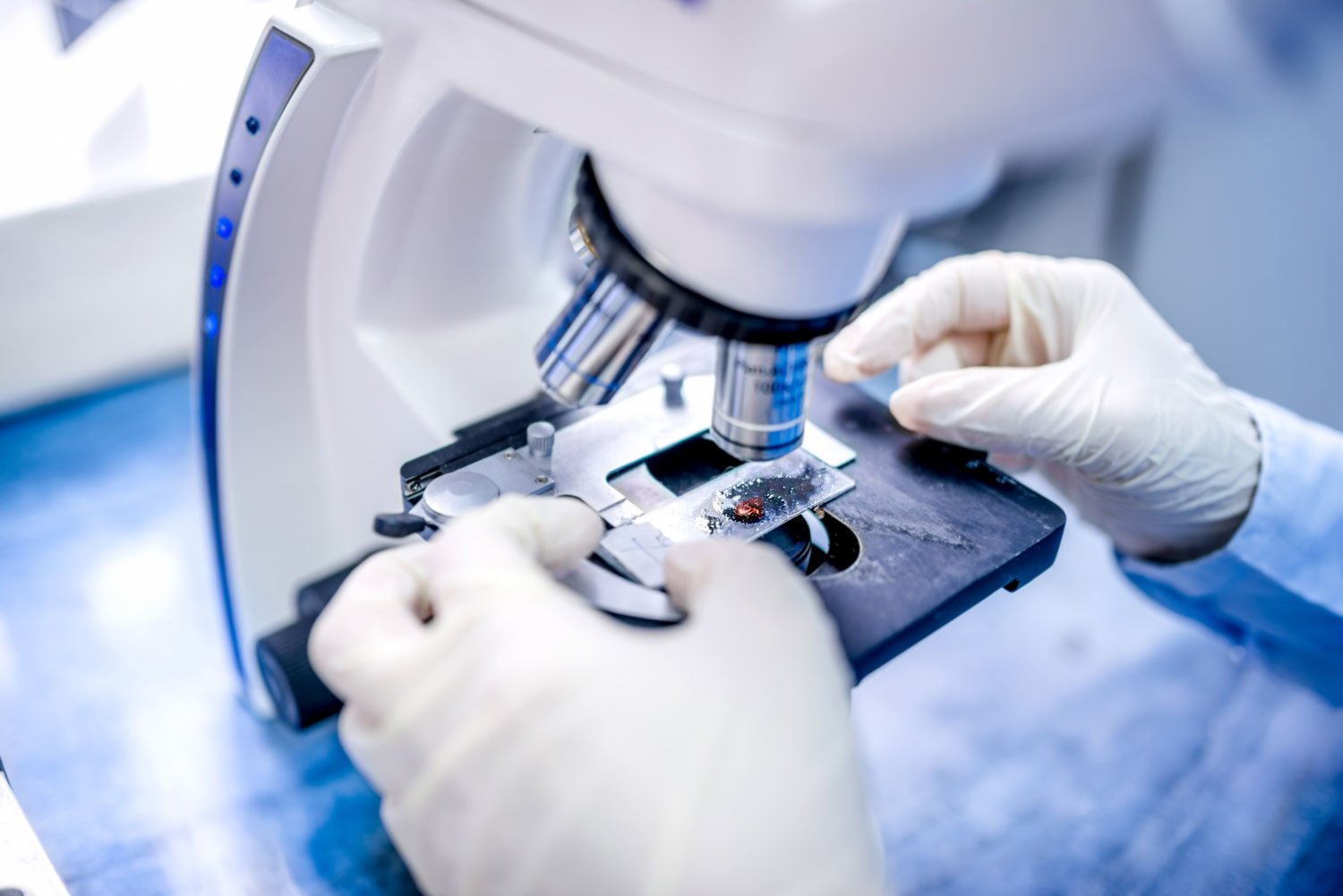
Microscopic Examination: Once the lab processing is completed, Dr. Nabatian will then examines the edges of the tumor under the microscopic. This allows Dr. Nabatian to check if any cancer cells remain in the margins of the excised tissue.
Final Results: The removal and examination process is repeated until no cancerous cells are detected at the margins.
What Happens After the Skin Cancer Is Fully Removed?
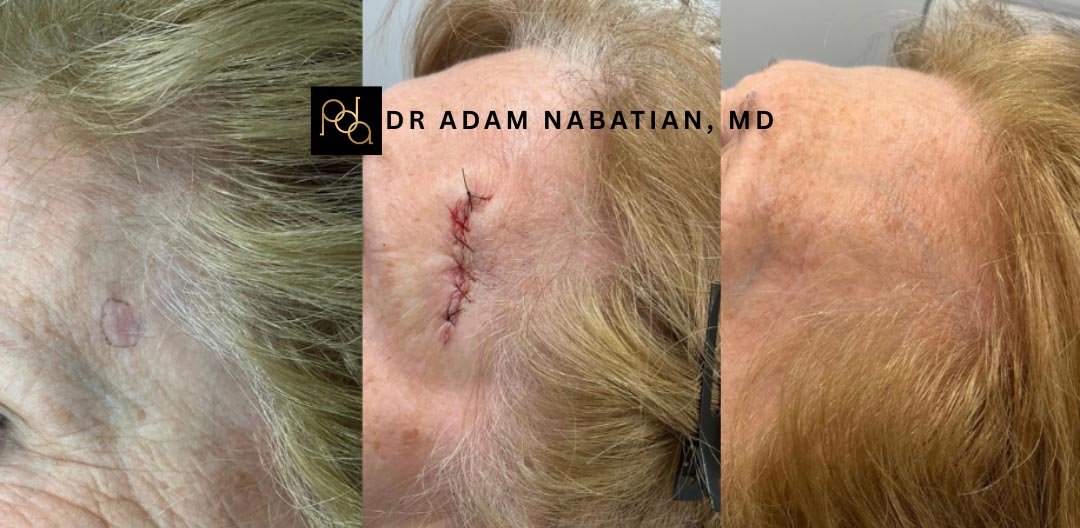
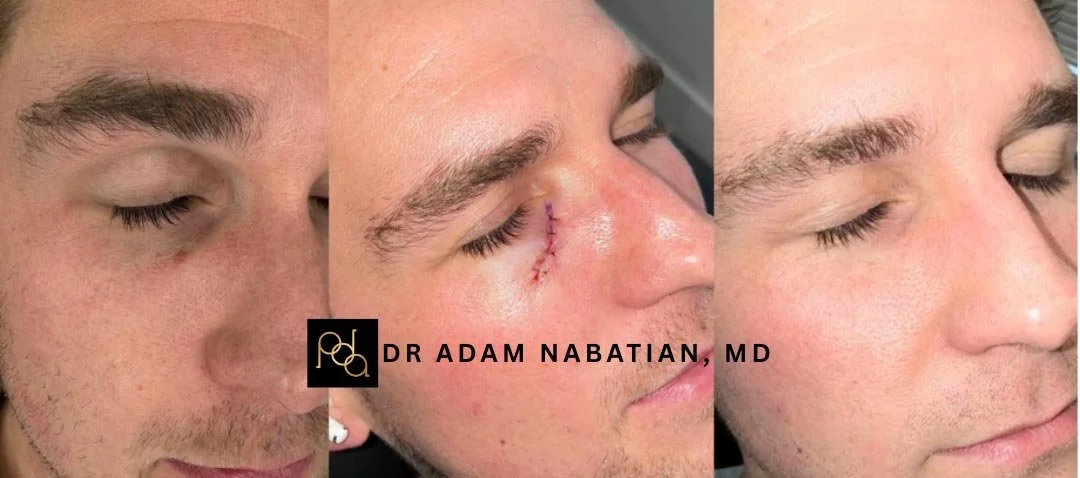
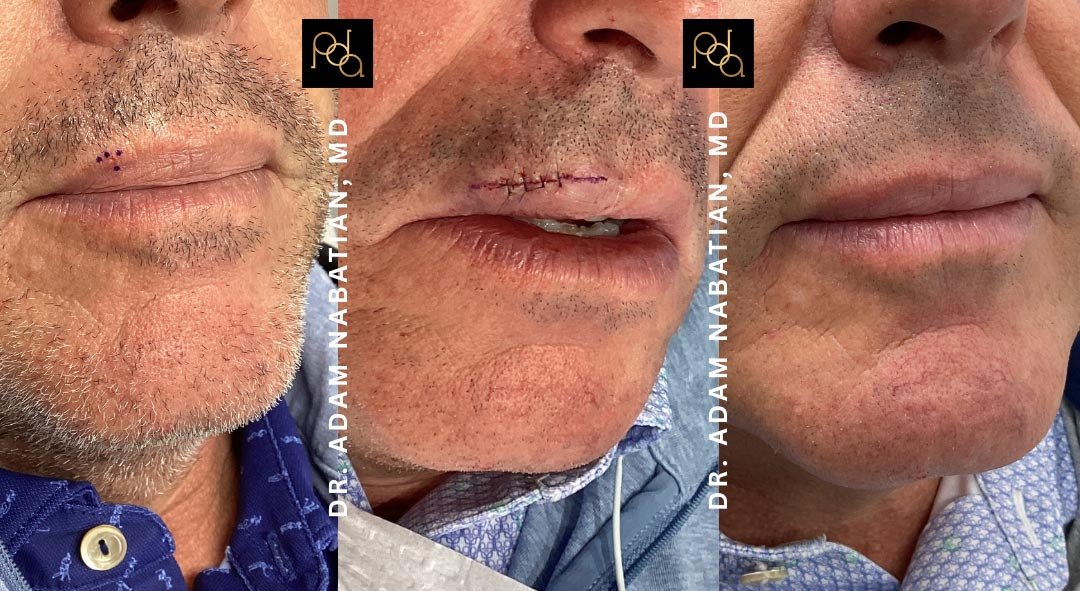
Once the margins are clear, Dr. Nabatian will reconstruct the area to achieve the best possible aesthetic result. In some cases, the wound will heal naturally. In other cases, stitches may be used when appropriate, while skin grafts or flaps are reserved for cases where a larger amount of tissue has been removed.
Before & After
Patients Treated at Premier Dermatology & Aesthetics
Who Performs Mohs Micrographic Surgery at Our Practice?
Dr. Adam Nabatian has dedicated his career to dermatology, completing a fellowship in Mohs Micrographic Surgery, Cutaneous Oncology and Reconstructive Surgery and Cosmetic Dermatologic Surgery - credentials very few distinguished dermatologists have.
As a fellowship-trained and double board-certified Mohs Surgeon, Dr. Nabatian performs a very intricate skin cancer removal with minimal to no scarring, even on the most visible, delicate and high functioning areas such as the face, nose, ears, neck, genitals, hands and feet. Dr. Nabatian has performed over 15,000 Mohs Micrographic Surgeries.
Advantages of Mohs Surgery
What Are the Benefits of Mohs Surgery?
Cancer cure rate as high as 99 percent – higher than any other treatment option
The lowest risk of recurrence when compared to other treatment options, including cases of aggressive or recurring cancers.
Performed in an outpatient office under local anesthesia
Complete circumferential margin control. In Mohs surgery, 100% of the surgical margin is evaluated to ensure tumor clearance.
Tissue sparing procedure. The Mohs technique allows the surgeon to remove as little healthy tissue as possible, while ensuring complete removal of the skin cancer.
Minimal potential for disfigurement or scarring
Intraoperative margin assessment. With Mohs surgery, the tumor margin is evaluated during the procedure. This allows the patient to return home on the day of surgery with confidence that the tumor has been completely removed.
Schedule Your Mohs Surgery Consultation in NYC
If you have been diagnosed with skin cancer, or believe you may have a cancerous lesion, call (212) 433-3788 and schedule a consultation with Dr. Nabatian to find out if our Mohs surgery is right for you.