
Squamous Cell Carcinoma (SCC)
A Clear, Dermatologist‑Led Guide to One of the Most Common Skin Cancers
What Is Cutaneous Squamous Cell Carcinoma?
Cutaneous squamous cell carcinoma is the second most common type of skin cancer. It develops when the flat, surface‑level cells of the epidermis begin to grow in an abnormal, uncontrolled manner. This usually happens after years of cumulative sun exposure or other sources of DNA damage. Cutaneous SCC can appear on any part of the body, but it most often forms in areas that receive frequent sunlight. When identified early, it is highly treatable and has an excellent prognosis.
What Causes Cutaneous Squamous Cell Carcinoma?
Over time, ultraviolet (UV) radiation from the sun or tanning beds can injure the DNA inside squamous cells. When the body can no longer repair this damage, the cells may start to multiply more rapidly than they should. This uncontrolled growth forms a lesion that can continue to expand and, in some cases, spread if left untreated.
What Does Cutaneous Squamous Cell Carcinoma Look Like?
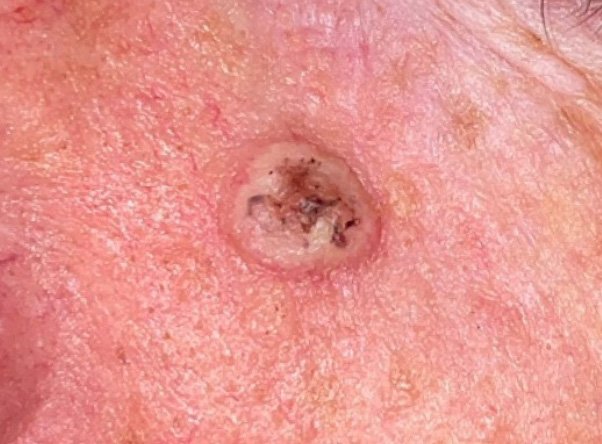
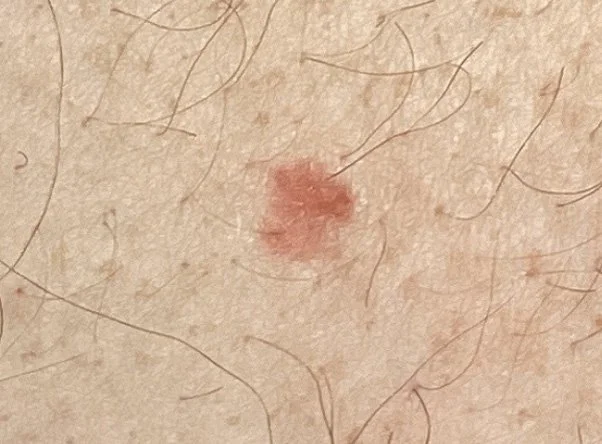
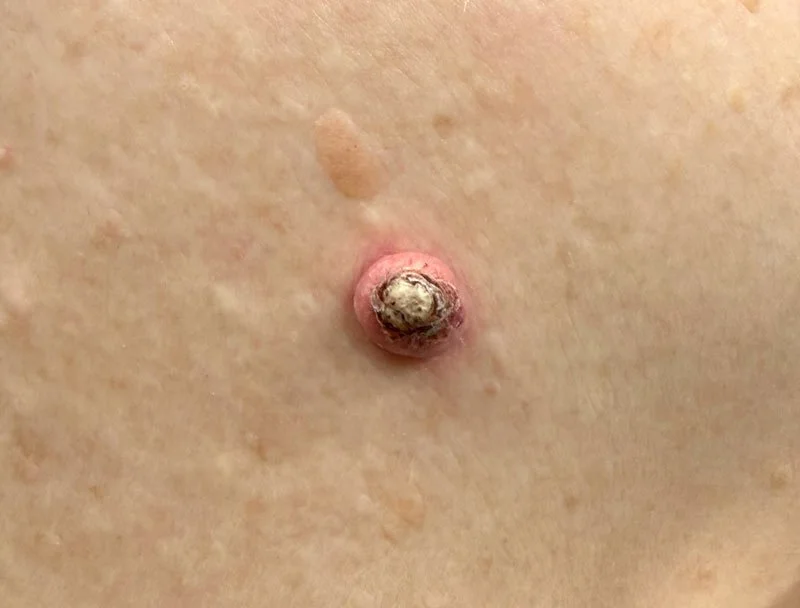
Cutaneous SCC doesn’t have a single appearance. It can show up in several forms, and the presentation varies based on skin tone, location, and how long the lesion has been present. Common features include:
A rough or scaly patch that persists
A firm bump or raised area
A sore that heals and reopens
A thickened, wart‑like growth
A lesion that may crust, bleed, or feel tender
An early, superficial form of cutaneous SCC—often called SCC in situ—remains confined to the top layer of the skin and has not yet invaded deeper tissue.
Although sun‑exposed areas are the most frequent sites, SCC can also appear in less visible regions, including the genital area.
When to Seek a Dermatology Evaluation
Any new, evolving, or non‑healing spot should be examined—especially if it bleeds, becomes tender, or changes in texture. Early diagnosis allows for simpler, more effective treatment and reduces the risk of the cancer spreading.
Expert Evaluation and Treatment of Cutaneous Squamous Cell Carcinoma in NYC
As a double board‑certified dermatologist and fellowship‑trained Mohs micrographic surgeon, Dr. Adam Nabatian provides comprehensive care for patients with suspected or confirmed cutaneous squamous cell carcinoma. He performs detailed skin examinations, evaluates any areas of concern, and recommends the most effective treatment based on the cancer’s location, depth, and behavior.
When indicated, Dr. Nabatian performs Mohs micrographic surgery in the office—an advanced, tissue‑sparing technique that offers the highest cure rates for cutaneous SCCs on cosmetically and functionally important areas such as the face, scalp, ears, neck, hands, and groin. This approach allows for precise removal of cancerous cells while preserving as much healthy skin as possible.
Ongoing skin monitoring is essential for anyone with a history of skin cancer or significant sun exposure. Regular skin checks, sun protection, and prompt evaluation of new or changing lesions help ensure early detection and optimal outcomes. Patients of all ages who are at increased risk or who have noticed a concerning growth can receive a thorough assessment and individualized care plan.
Schedule Your Squamous Cell Carcinoma Evaluation in NYC
If you’ve noticed a new spot, a non‑healing area, or a growth that’s changing over time, a professional skin exam is the safest next step. At Premier Dermatology & Aesthetics, Dr. Adam Nabatian—a double board‑certified dermatologist and fellowship‑trained Mohs surgeon—provides expert diagnosis and advanced treatment options for cutaneous squamous cell carcinoma, including Mohs micrographic surgery for delicate or cosmetically sensitive areas.
Early evaluation leads to the most effective and least invasive treatment.