
Scar Revision in NYC
Scars can form anywhere on the body, whether from a small blemish or a significant injury. When the skin is damaged, the body responds by producing collagen to repair and protect the area. These collagen fibers often organize differently than normal skin, creating a visible mark.
The way a scar looks depends on several factors:
The depth and size of the original wound
The location on the body
Your skin type, color, and thickness
Age, medications, and overall health
Scar revision treatments are designed to soften, smooth, and blend scars so they more closely match the surrounding skin in tone and texture, restoring a more even, healthy-looking appearance.
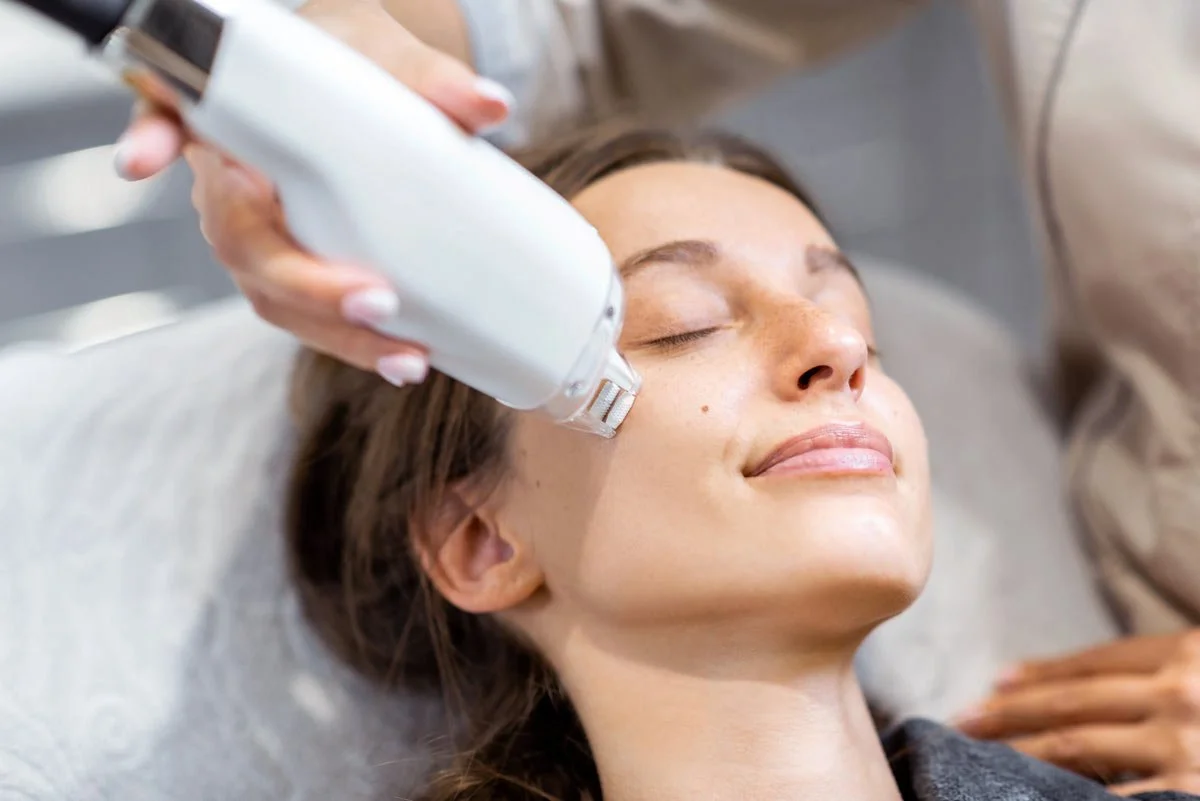
What Is Scar Revision?
Scar revision refers to a range of advanced techniques used to improve the appearance of scars whether raised, indented, discolored, or texturally uneven. The goal is to bring the scar as close as possible to the look and feel of the surrounding skin.
Depending on the type of scar, Dr. Adam Nabatian may use one or a combination of the following:
Laser resurfacing
Microneedling
Subcision
Chemical reconstruction
Injectable treatments
Surgical refinement
Each approach is tailored to the scar’s characteristics and your skin’s unique needs.
Types of Scars We Treat
Hyperpigmented Scars: Darkened marks left behind after inflammation or minor trauma.
Atrophic Scars: Indented or uneven scars—often flat, shallow, or jagged—commonly seen after acne.
Hypertrophic Scars: Raised scars that stay within the boundaries of the original injury.
Keloids; Thick, firm, overgrown scars that extend beyond the original wound due to over-aggressive collagen production. Darker-skinned individuals are often more prone to develop keloids
Contracture Scars: Tight, shiny scars typically caused by burns, which can restrict movement.
Stretch Marks: Tears in deeper layers of the skin that appear red, purple, or white with a textured surface.
Acne Scars: One of the most common concerns, including:
Ice pick scars: narrow, deep openings resembling enlarged pores
Boxcar scars: wider depressions with defined edges
Rolling scars: wavy, undulating texture caused by tethering beneath the skin
Erythematous Scars: Red or pink scars caused by inflammation or dilated blood vessels.
How Does Scar Revision Work?
Scar revision improves the appearance of a scar by softening its texture, blending its color, and reducing the features that make it stand out from the surrounding skin. While no treatment can erase a scar entirely, these techniques refine the area so the scar becomes far less noticeable and integrates more naturally with healthy tissue. In some cases, scar revision can also ease tightness, discomfort, or restricted movement caused by certain types of scars.
Scar revision is often performed in a series of steps, tailored to the scar’s depth, location, and behavior. Non‑surgical treatments typically take 15 minutes to one hour, while surgical approaches may require a longer appointment. For example, if dermabrasion or resurfacing is recommended, each session may last 30–60 minutes, with treatments spaced several weeks apart to allow the skin to heal and remodel. Depending on the severity of the scar, multiple sessions may be needed to achieve the most natural, refined result.
Before & After
Patients Treated at Premier Dermatology & Aesthetics
Common Treatment Areas
Scar revision can be performed on virtually any part of the body. While treatment is possible wherever a scar exists, patients most often seek improvement in areas that are more visible or emotionally significant. Commonly treated areas include:
FACE
Acne scars, surgical scars, and scars from injury or trauma.
BREASTS
Post‑surgical scars, including those from mastectomy, lumpectomy, or breast reduction procedures.
ABDOMEN
Scars from C‑sections, appendectomies, hernia repairs, and body‑contouring surgeries.
LEGS
Scars related to trauma, surgery (such as knee replacement), or visible marks associated with vein treatments.
BACK
Back acne scars (backne), post-surgical scars, including those from spinal surgery, and traumatic scars.
CHEST
Prominent surgical scars, including those from open‑heart or thoracic procedures.
ARMS & HANDS
Scars from injuries, lacerations, or surgical procedures.
Who Is a Good Candidate For Scar Revision?
Ideal candidates are healthy individuals who feel self‑conscious about a scar or experience discomfort because of it. During your consultation, Dr. Adam Nabatian evaluates the scar’s type, age, depth, and behavior, along with your skin’s overall condition. From there, he designs a fully customized treatment plan to achieve the most natural, refined, and long‑lasting results.
Personalized Treatment Plans
Every scar tells a different story, which is why scar revision at Premier Dermatology & Aesthetics begins with a thorough, highly personalized consultation. Whether your concern is cosmetic or functional, Dr. Adam Nabatian evaluates the scar’s type, depth, age, and behavior, along with your overall skin health.
During this visit, he reviews your medical history and the circumstances surrounding the scar, then recommends the most effective treatment approach to help you achieve smoother, more even‑toned, and naturally refined skin.
Scar revision can dramatically improve the appearance of scars caused by acne, trauma, or surgery. At Premier Dermatology & Aesthetics, we offer a comprehensive suite of advanced solutions, including:
Fractional laser resurfacing
Microneedling
Subcision
Dermabrasion
Injectable fillers
Surgical scar refinement
Your treatment plan is tailored to the specific characteristics of your scar, ensuring the most precise and natural‑looking outcome.
What to Expect at Your Scar Revision Appointment in NYC
1. Cosmetic Consultation
Each scar behaves differently, so the first step is a detailed evaluation. Dr. Nabatian examines the scar’s depth, texture, and underlying tissue to determine the most effective treatment or combination of treatments.
2. Skin Preparation
To ensure optimal results and minimize the risk of infection, the skin is thoroughly cleansed with antibacterial solutions.
3. Treatment
Some scars respond beautifully to a single treatment, while others benefit from a layered approach—such as combining resurfacing, injectables, and collagen‑stimulating therapies. Dr. Nabatian selects the ideal sequence to maximize improvement.
4. Surgical Excision
For deeper or more complex scars, surgical excision may be performed to remove the scar tissue before continuing with surface treatments. Dr. Nabatian uses meticulous closure techniques, often with layered, absorbable sutures to support optimal healing and collagen remodeling.
5. Immediate Post-Treatment Care
You can return home immediately after your procedure. Dr. Nabatian provides personalized aftercare instructions, including how to care for the treated area and what to expect during healing. Mild swelling, redness, or tenderness may occur depending on the technique used.
What Is the Recovery Time After Scar Revision Treatment?
Recovery after scar revision varies based on the technique used, but most patients find the healing process smooth and manageable. Non‑surgical treatments—such as lasers, microneedling, subcision, or resurfacing—typically involve little to no downtime, allowing you to return to your daily routine quickly while the skin continues to remodel beneath the surface.
If your treatment includes a surgical component, the initial healing phase generally takes one to two weeks. During this time, you may notice localized swelling, discoloration, or mild discomfort—all normal responses as the skin begins to repair. Over the following weeks, the area continues to settle, and the new scar gradually refines, softens, and fades.
Full scar maturation is a gradual process, with improvements continuing for several months as collagen reorganizes and the skin reaches its final appearance. Throughout your recovery, Dr. Adam Nabatian provides personalized aftercare guidance to support optimal healing and ensure your results develop beautifully and naturally.
Key Benefits of Scar Revision Treatment
Enhanced Skin Texture & Appearance
Scar revision is designed to noticeably soften and refine the look of visible scars. Whether the scar resulted from acne, surgery, or trauma, Dr. Adam Nabatian selects the most effective technique to help the scar blend more seamlessly with the surrounding skin. While scars cannot be completely erased, their color, texture, and prominence can be significantly reduced. With a series of treatments, many patients experience dramatic improvement and a smoother, more uniform complexion.
Improved Comfort & Skin Mobility
Some scars—especially those caused by burns, injuries, or deeper trauma—can feel tight, stiff, or even painful. Scar revision helps restore healthier skin function by encouraging new collagen and elastin production through treatments such as laser resurfacing, microneedling, or radiofrequency. As the tissue remodels, the skin becomes more flexible, more comfortable, and easier to move, reducing daily discomfort.
Minimally Invasive Options With Little Downtime
Many scar revision techniques are non‑surgical or minimally invasive, making them ideal for patients seeking meaningful improvement without extensive recovery. Treatments like laser therapy, dermabrasion, microneedling, and injectables are performed in-office and typically take under an hour. Most patients return to normal activities the same day, making scar revision a convenient and cost‑effective option for long‑lasting results.
Boosted Confidence & Emotional Well‑Being
Scars in highly visible areas—such as the face, chest, or hands—can affect how you feel in social and professional settings. By softening and blending the scar, revision treatments can help you feel more comfortable in your skin. Many patients find they rely less on makeup or clothing to conceal scars and experience a renewed sense of confidence in both public and private moments.
Schedule Your Scar Revision Consultation in NYC
If you’re looking to improve the appearance of a scar or restore smoother, more even skin, expert‑performed scar revision can make a meaningful difference. At Premier Dermatology & Aesthetics, Dr. Adam Nabatian uses advanced techniques—including lasers, microneedling, subcision, and surgical revision—to create personalized treatment plans tailored to your scar type, skin tone, and aesthetic goals.
Frequently Asked Questions
-
Scars form as part of the body’s natural healing response. When the skin is injured—whether from acne, trauma, or surgery—the body produces extra collagen to repair the wound. These collagen fibers create a supportive framework that closes the wound, but they often organize differently than normal skin, leading to a visible mark.
The way a scar ultimately looks depends on several factors, including:
The depth and size of the original injury
The location on the body
Skin tone, thickness, and type
Age, medications, and overall health
Because every scar behaves differently, its appearance can range from flat and faint to raised, indented, or discolored. Scar revision treatments help refine these features so the scar blends more naturally with the surrounding skin.
-
The ideal timing for scar revision depends on how the scar is healing and the type of treatment being considered. In many cases, early intervention can improve long‑term results, but the skin must reach a certain stage of healing before treatment begins.
Most patients can start non‑invasive treatments—such as laser therapy, microneedling, or topical modalities—once the wound has fully closed and the skin barrier has healed, which typically occurs within several weeks after an injury or surgery. These early treatments can help reduce redness, smooth texture, and prevent the scar from becoming thicker or more noticeable.
For surgical scar revision, it’s generally best to wait until the scar has matured, which may take several months. This allows the tissue to stabilize so Dr. Adam Nabatian can accurately assess the scar’s final characteristics and choose the most effective approach.
During your consultation, Dr. Nabatian evaluates the scar’s age, behavior, and healing stage to determine the safest and most beneficial time to begin treatment.
-
The timeline for seeing results depends on the type of treatment performed and the severity of your scar. Many patients begin to notice early improvements in two to three weeks, as the skin starts to heal and collagen production increases. However, the most meaningful changes develop gradually, with final results typically visible within two to three months.
More intensive resurfacing treatments, such as Fraxel®, produce progressive improvement over several months as deeper layers of the skin remodel and new collagen forms. Patients with milder, more superficial scars often see results sooner, while those with deeper or more complex scarring may require multiple sessions to achieve optimal smoothing and refinement.
During your consultation, Dr. Adam Nabatian will discuss how many treatments may be needed based on your scar type, skin tone, and overall goals.
To support long‑term results, Dr. Nabatian recommends:
A gentle, consistent skincare routine
Regular cleansing and appropriate exfoliation
Daily moisturizing
Sun protection to prevent discoloration and collagen breakdown
Healthy skin habits help maintain an even tone and smooth texture long after your treatment series is complete.