
Acne Scar Treatments in NYC
Acne scars can linger long after breakouts have cleared, often affecting your confidence and serving as an unwanted reminder of past skin struggles. Unlike active acne, scars don’t fade on their own — and many people find themselves relying on makeup or strategic cover‑ups just to feel comfortable day‑to‑day.
At Premier Dermatology & Aesthetics, Dr. Adam Nabatian offers advanced, customized acne scar treatments designed to smooth uneven texture, soften visible scarring, and restore a clearer, more refined complexion. Each treatment plan is tailored to your skin type, scar pattern, and aesthetic goals, helping you achieve results that look natural and feel empowering.
Whether your scars are shallow, deep, textured, or discolored, our state‑of‑the‑art solutions can help you regain confidence in your skin.
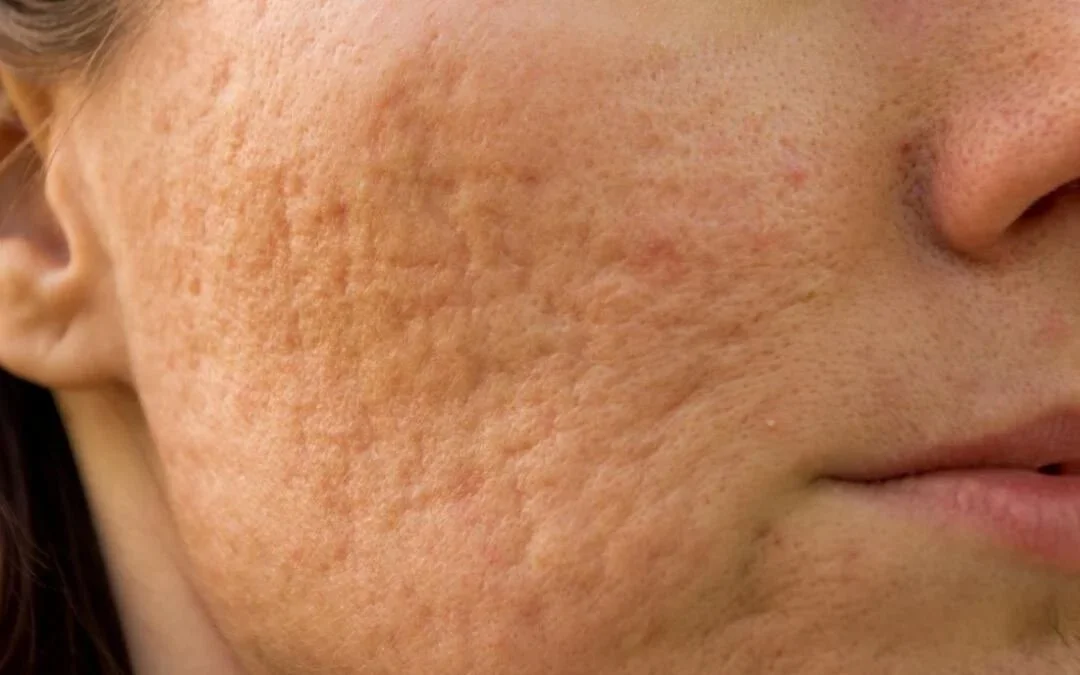
Before & After
Patients Treated at Premier Dermatology & Aesthetics
Who Is a Good Candidate for Acne Scar Treatment?
Ideal candidates for acne scar treatment are individuals who have visible scarring left behind after breakouts and want to improve their skin’s texture, clarity, and overall appearance. If you are currently experiencing active acne, it’s best to wait until inflammation is under control before beginning treatment. Active breakouts can interfere with results, so Dr. Adam Nabatian typically recommends stabilizing acne first to ensure the most effective outcome.
Acne scar treatments can be performed on a wide range of skin tones. While certain laser technologies tend to work best on lighter skin, patients with darker skin tones are excellent candidates for alternative modalities such as microneedling, subcision, or combination therapies. During your consultation, Dr. Nabatian evaluates your skin tone, scar type, and overall skin health to determine the safest and most effective approach.
Good candidates should also have a clear understanding of the treatment process and maintain realistic expectations. Acne scar revision significantly improves texture and visibility, but results develop gradually as collagen remodels and the skin heals.
Types of Acne Scars
Acne scars develop in different shapes, depths, and patterns depending on how the skin heals after inflammation. Understanding the type of scar you have is essential, because each one responds best to specific treatments. During your consultation, Dr. Adam Nabatian carefully evaluates your scar pattern to determine the most effective, personalized approach.
Below are the most common types of acne scars:
Atrophic (Depressed) Scars
These are the most common acne scars and occur when inflammation destroys collagen, leaving a visible indentation in the skin.
Ice Pick Scars
Narrow, deep scars that extend into the dermis. They resemble tiny punctures and are often challenging to treat without targeted procedures such as TCA CROSS, subcision, or laser resurfacing.
Boxcar Scars
Wider depressions with sharp edges. They often appear on the cheeks and temples and respond well to treatments like microneedling, laser resurfacing, or subcision.
Rolling Scars
Shallow, wave‑like depressions caused by fibrous bands tethering the skin downward. These scars often improve significantly with subcision and collagen‑stimulating treatments.
Hypertrophic & Keloid Scars
These scars form when the body produces too much collagen, creating raised, firm areas of skin. They are more common on the chest, shoulders, jawline, and back. Treatments may include laser therapy, steroid injections, or combination approaches to flatten and soften the scar.
Post‑Inflammatory Hyperpigmentation (PIH)
Although not technically a scar, IH appears as dark spots left behind after acne. It is especially common in deeper skin tones. Chemical peels, topical treatments, and laser therapy can help fade discoloration and restore a more even complexion.
Post‑Inflammatory Erythema (PIE)
These appear as persistent red or pink marks caused by dilated blood vessels after inflammation. Vascular lasers are often the most effective treatment to reduce redness and restore a more uniform skin tone.
Why Identifying Your Scar Type Matters
Each scar type requires a different treatment strategy. For example:
Ice pick scars often need deeper, targeted treatments
Rolling scars respond best to subcision
Pigmented scars improve with chemical peels or laser therapy
Red scars (PIE) require vascular laser treatments
By identifying your scar type accurately, Dr. Nabatian can create a treatment plan that delivers the most natural, refined, and long‑lasting results.
Advanced Acne Scar Treatment Options
Acne scars vary widely in depth, color, and texture, which is why treatment must be tailored to the specific type of scarring you have. Some scars are primarily pigmented, others are red due to excess vascularity, and deeper scars may form when collagen is lost beneath the surface. Dr. Adam Nabatian uses advanced technology and extensive dermatologic expertise to design treatment plans that address each of these concerns with precision.
Your experience begins with a comprehensive cosmetic consultation, where Dr. Nabatian evaluates your skin type, scar pattern, and overall skin health. This allows him to recommend a personalized combination of treatments that maximizes improvement while minimizing downtime.
Below are the advanced acne scar treatments offered at Premier Dermatology & Aesthetics:
Topical Treatments
For mild or early acne scarring, medical‑grade skincare and prescription topicals can help improve discoloration, smooth texture, and support collagen remodeling. These products may also be used alongside in‑office procedures to enhance results.
Chemical Peels
Chemical peels exfoliate damaged skin cells and stimulate new cell turnover, helping to reduce discoloration and refine uneven texture. They are an effective option for patients with superficial scarring or post‑inflammatory hyperpigmentation.
Microneedling & PRP
Microneedling creates controlled micro‑injuries that stimulate collagen and elastin production, making it ideal for textural irregularities and pigmentation concerns. When combined with Platelet‑Rich Plasma (PRP), results can be even more dramatic, accelerating healing and enhancing skin regeneration.
Laser Skin Resurfacing
For more significant scarring, Fraxel Dual® laser resurfacing targets both pigmentation and collagen loss. This treatment penetrates deeper layers of the skin to rebuild structure and improve tone and texture. While it involves a brief recovery period, it often delivers some of the most noticeable improvements.
Subcision
For deep, tethered, or depressed scars, subcision is a highly effective treatment. Dr. Nabatian gently releases the fibrous bands that pull the scar downward, allowing the skin to lift and smooth over time. The controlled injury also stimulates new collagen formation, further improving texture and contour.
What to Expect During Acne Scar Treatment
Acne scar treatment at Premier Dermatology & Aesthetics is designed to be precise, personalized, and results‑driven. Your experience begins with a comprehensive cosmetic consultation, where Dr. Adam Nabatian evaluates your skin type, scar pattern, and overall skin health. This allows him to determine the safest and most effective combination of treatments for your unique concerns.
Procedures are performed in‑office and are well‑tolerated. Depending on the treatment plan, you may feel mild warmth, pressure, or tingling during the session. Techniques such as microneedling, laser resurfacing, or subcision may be combined to address different layers of the skin, ensuring a more complete and natural‑looking improvement.
Treatment times vary based on the approach, but many sessions take 30–60 minutes, with little to no downtime for most non‑invasive options. More intensive procedures, such as Fraxel Dual® resurfacing or subcision, may involve a brief recovery period, during which redness or swelling is expected as the skin begins to heal and remodel.
Recovery After Acne Scar Treatment
Recovery after acne scar treatment varies depending on the techniques used and the depth of the scars being addressed. While many procedures involve minimal downtime, more intensive resurfacing treatments may require a short healing period. Dr. Adam Nabatian designs each treatment plan to balance effectiveness with comfort, ensuring your recovery is smooth and predictable.
Common side effects include mild swelling, redness, and tenderness in the treated area. These typically resolve within a few hours, though swelling may last a bit longer depending on the intensity of the treatment. If laser resurfacing technologies such as Fraxel® are used, you may experience light flaking or peeling as the outer layer of skin naturally exfoliates.
During the healing process, Dr. Nabatian recommends:
Avoiding direct sun exposure
Applying a broad‑spectrum sunscreen daily
Using gentle, non‑irritating skincare products
Keeping the skin well‑hydrated with a soothing moisturizer
Schedule Your Acne Scar Treatment Consultation in NYC
If you’re ready to improve skin texture, soften scarring, and restore a smoother, more even complexion, expert‑guided acne scar treatments can make a transformative difference. At Premier Dermatology & Aesthetics, Dr. Adam Nabatian uses advanced technology and evidence‑based techniques—including lasers, microneedling, and subcision—to create personalized treatment plans tailored to your scar type, skin tone, and goals.
Frequently Asked Questions
-
Acne scars develop when inflammation from a breakout disrupts the skin’s natural healing process. When a pimple becomes inflamed, especially deeper cystic or nodular acne, the surrounding tissue can be damaged. As the skin repairs itself, it produces collagen to rebuild the area. If too little collagen is made, the skin heals with a depression; if too much is produced, the scar becomes raised.
Several factors influence whether someone develops acne scars, including:
Severity of the acne
Deeper, more inflamed lesions are more likely to scar
Delay in treatment
Untreated acne increases the risk of long‑term marks
Skin type and genetics
Some individuals naturally scar more easily
Picking or squeezing pimples
This increases inflammation and tissue damage
Skin tone
Certain skin tones are more prone to post‑inflammatory discoloration
Understanding the cause of your scars helps determine the most effective treatment approach. During your consultation, Dr. Adam Nabatian evaluates the type of acne you’ve experienced and the way your skin heals to create a personalized plan for smoother, clearer skin.
-
You can treat acne scars while managing occasional breakouts, but active, inflamed acne should be under good control before starting most scar‑focused procedures. Treating scars on inflamed skin can reduce effectiveness and increase irritation.
During your consultation, Dr. Adam Nabatian will help stabilize active acne first, then create a personalized plan to safely and effectively address your scars.
-
The most effective treatment depends on the type of acne scars you have. Options like laser resurfacing, microneedling, subcision, and chemical peels each target different scar patterns. During your consultation, Dr. Nabatian evaluates your skin and recommends a personalized combination approach designed to smooth texture, improve tone, and create the most natural, refined results.
-
Although some scars may not disappear entirely, most patients see a dramatic improvement with the right treatment plan. Our advanced options can noticeably smooth uneven texture and soften visible scarring, helping your skin look clearer, healthier, and more refined over time.