Understanding Melasma: Causes, Treatments, and Prevention Tips
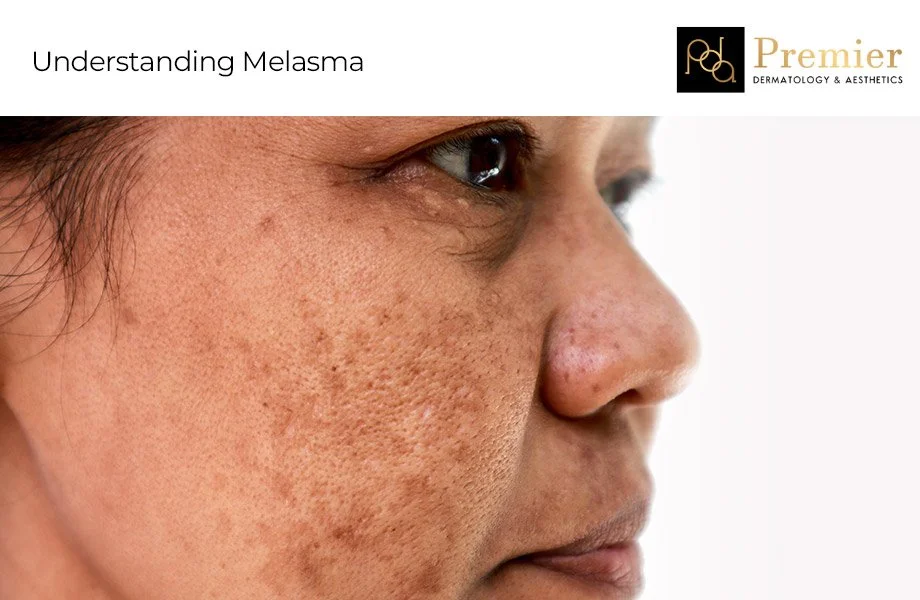
If you’ve noticed stubborn brown or gray patches of pigmentation on your cheeks, forehead, or upper lip, you may be dealing with melasma, a common but often frustrating skin condition.
At Premier Dermatology & Aesthetics in New York, double board-certified dermatologist Dr. Adam Nabatian helps patients safely and effectively reduce melasma using a combination of prescription topicals, medical-grade skincare, chemical peels, and advanced laser therapy.
What Is Melasma?
Melasma is a form of facial hyperpigmentation that causes symmetrical brown or grayish patches, most often on sun-exposed areas of the face. It occurs when melanocytes (pigment-producing cells) become overactive and produce excess melanin.
While melasma isn’t harmful, it can be emotionally distressing due to its visibility and persistence.
What Causes Melasma?
Melasma has multiple triggers, often working together to overstimulate pigment production. Common causes include:
Sun exposure: UV radiation is the leading cause and can worsen existing spots.
Hormonal changes: Pregnancy, birth control pills, or hormone therapy can trigger or aggravate melasma.
Genetics: A family history of melasma increases risk.
Heat and visible light: Infrared heat from cooking, exercise, or even computer screens can worsen pigmentation.
Medications or skincare products: Certain products or drugs that irritate the skin can also trigger melasma.
Because these triggers are often ongoing, melasma tends to recur, making consistent management essential.
How We Treat Melasma at Premier Dermatology & Aesthetics
Melasma requires a personalized and layered approach; there’s no one-size-fits-all solution. Dr. Nabatian creates a personalized treatment plan based on your skin tone, sensitivity, and lifestyle, which may include:
1. Prescription Topicals
Prescription creams containing ingredients like hydroquinone, tretinoin, and mild corticosteroids help lighten hyperpigmentation and regulate melanin production. For patients seeking non-hydroquinone options, azelaic acid, kojic acid, and niacinamide are also highly effective.
2. Medical-Grade Skincare
Professional skincare products formulated with antioxidants, retinoids, and sun protection help maintain results and prevent new pigment formation. A consistent routine is key to maintaining long-term improvement.
At Premier Dermatology & Aesthetics, we carry a curated selection of medical-grade sunscreens, skin brightening agents, & serums, including our Antioxidant Tinted and Sheer Sunscreens & Vitamin C + E + Ferulic Antioxidant Brightening Serum, formulated to protect against UV damage and support a more radiant, even complexion.
3. Medical-Grade Chemical Peels
Customized chemical peels exfoliate the top layers of the skin, helping fade discoloration and improve overall tone. These treatments are tailored to your skin type to avoid irritation or post-inflammatory pigmentation.
4. Laser and Light-Based Therapies
For deeper or resistant melasma, Dr. Nabatian may recommend laser or intense pulsed light (IPL) treatments using advanced pigment-targeting technology. These procedures help break up excess melanin while stimulating collagen production for smoother, brighter skin.
Prevention Tips: How to Keep Melasma Under Control
While melasma may not be fully preventable, you can significantly reduce flare-ups with these dermatologist-approved habits:
Apply sunscreen daily: Broad-spectrum SPF 30 or higher is essential, even indoors or on cloudy days.
Reapply sunscreen every 1-2 hours when outdoors, or sooner if sweating or swimming.
Wear protective clothing, a wide-brimmed hat, and sunglasses to shield your face from UV rays.
Avoid excessive heat exposure (saunas, hot yoga, prolonged cooking).
Use gentle, non-irritating skincare products to protect your skin barrier.
Follow your dermatologist’s treatment plan consistently. Melasma management is about long-term maintenance, not quick fixes.
Why Choose Premier Dermatology & Aesthetics for Melasma Treatment in NYC
At Premier Dermatology & Aesthetics, Dr. Adam Nabatian combines his expertise in cosmetic dermatology and laser technology to deliver safe, effective, and evidence-based melasma treatments.
Every melasma case is unique, and our goal is not only to clear discoloration but also to prevent future recurrences for long-lasting, radiant skin.
Ready to take control of your melasma?
Schedule your consultation with Dr. Nabatian in Midtown Manhattan today to learn how we can help you achieve brighter, more even-toned skin.